SEBI's Enhanced Buyback Framework: A Stricter Stance on Corporate Governance
A New Era of Transparency in Share Buybacks
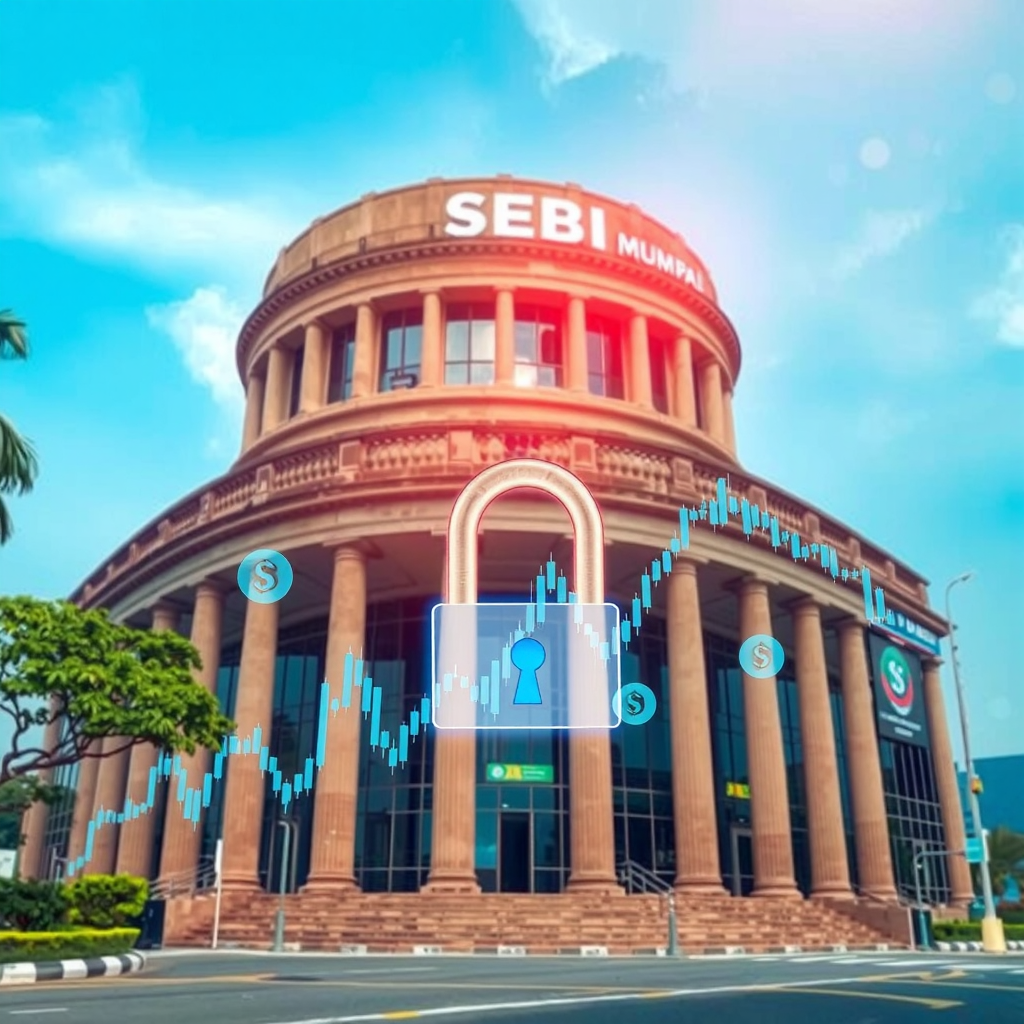
The Securities and Exchange Board of India (SEBI) has, once again, underscored its commitment to bolstering corporate governance and investor protection with the introduction of a revised framework for share buybacks. Effective from August 1, 2026, the new directives mandate depositories to freeze promoter and promoter-group holdings at the security level during the buyback period. This significant regulatory update is poised to redefine the dynamics of capital allocation and accountability for listed Indian entities.
Unpacking the Regulatory Amendment
Previously, the regulatory landscape, while robust, presented avenues for potential misuse. Concerns had been raised regarding situations where promoters and their associated entities could offload shares even as the company engaged in a buyback programme, leading to questions of transparency and equitable treatment of shareholders. The latest SEBI circular directly addresses this by introducing a mandatory freeze on promoter and promoter-group holdings at the International Securities Identification Number (ISIN) level.
The core tenet of this amendment is to ensure a level playing field and prevent any perceived opportunism. During the entire buyback period, from the date of board approval until the offer closes, promoters and entities within their group will be restricted from selling or transferring their shares. This measure is a direct response to the need for strengthening compliance and promoting a fairer process.
Distinction and Permissibility
It is crucial to note that while the framework introduces stricter controls, it does not entirely bar promoter participation. Promoters and promoter-group shareholders retain the ability to participate in tender-offer buybacks. Furthermore, the invocation of pledges created *prior* to the commencement of the buyback process remains permissible under the revised guidelines. This pragmatic approach acknowledges pre-existing financial arrangements while preventing new encumbrances or divestments that could compromise the integrity of the buyback.
The operationalisation of this freeze by depositories by August 1, 2026, signifies a rapid move towards enhanced oversight. Market participants, including listed companies, financial intermediaries, and investors, will need to adapt swiftly to the new compliance requirements.
Implications for Corporate India and Investors
This regulatory shift carries multi-faceted implications:
- Enhanced Corporate Governance: The primary objective is to instil greater confidence in the integrity of buyback programmes. By preventing promoters from simultaneously selling their stake, the potential for information asymmetry and unfair enrichment is significantly curtailed. This moves India closer to global best practices in corporate governance.
- Investor Confidence: For public shareholders, the new rule is a welcome development. It ensures that when a company announces a buyback, the intent is genuinely to improve shareholder value through capital return or to reduce equity, rather than providing an exit route for existing large shareholders. This clarity can bolster investor trust in the equity markets.
- Impact on Capital Allocation Strategies: Companies considering buybacks will need to factor in this revised framework. While the strategic rationale for buybacks – such as improving earnings per share or returning surplus cash – remains, the execution will require meticulous planning, particularly concerning promoter and promoter-group holdings.
- Valuation and Market Perception: In the long run, consistent adherence to such transparent practices could positively influence how Indian companies are perceived by both domestic and international investors. A robust regulatory environment often translates into a premium for well-governed companies.
A Step Towards Maturing Markets
SEBI's proactive stance in refining the buyback regulations reflects a maturing Indian capital market that continually seeks to align with international standards of fairness and transparency. While immediate adjustments will be necessary for market participants, the long-term benefits of a more trustworthy and predictable regulatory environment for share buybacks are undeniable. This move reinforces the regulator's resolve to safeguard the interests of the broader investor community and strengthen the foundational pillars of India's financial ecosystem.
Balaji K


Comments
Post a Comment