India's Green Hydrogen Ambition Takes Flight: Landmark Export Deals Signal Global Leadership
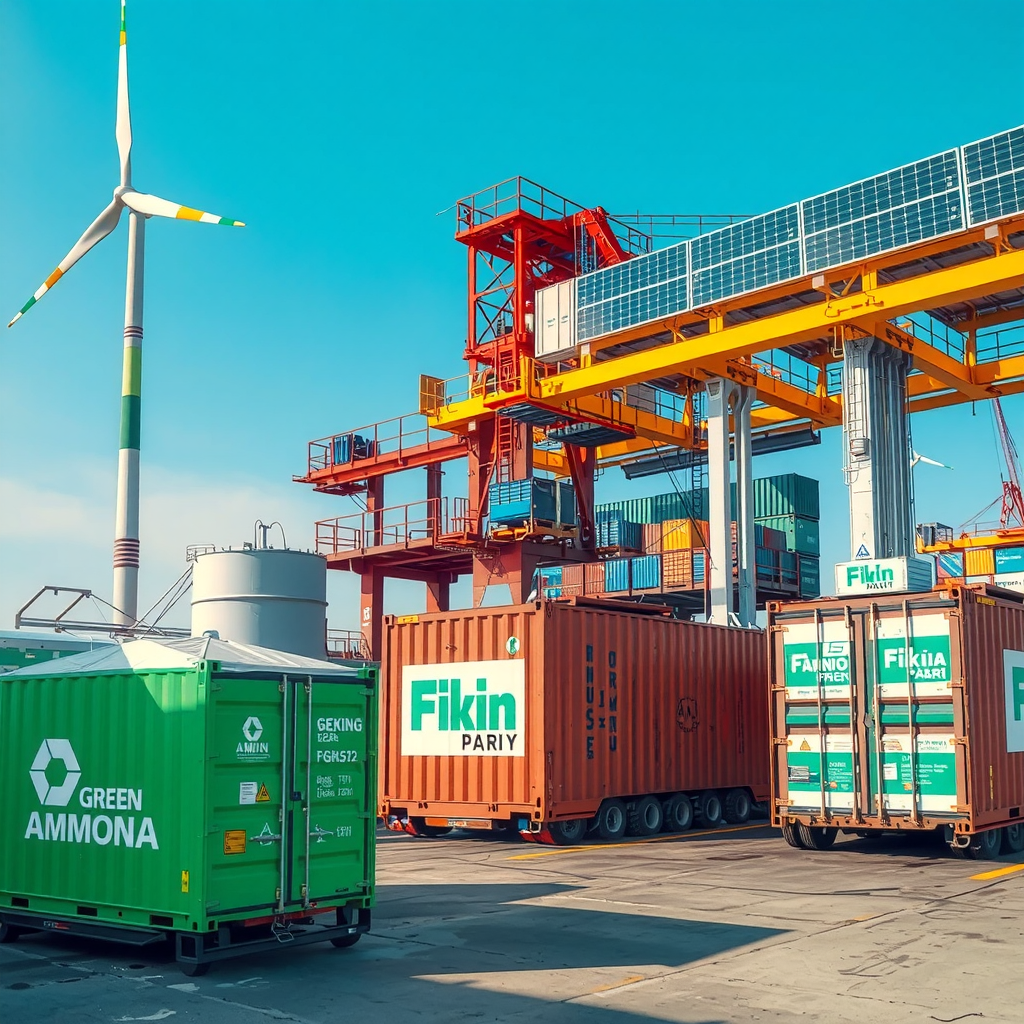
A New Dawn for India's Energy Export Landscape
India's ambitious National Green Hydrogen Mission (NGHM) has achieved a significant milestone, reinforcing the nation's strategic push towards becoming a global hub for green energy. In a development that reverberated across international financial markets last week, ACME Cleantech Solutions Private Limited (ACME Group) inked long-term offtake agreements with two prominent Japanese conglomerates: IHI Corporation and Mitsubishi Gas Chemical Company, Inc. (MGC). This pivotal move, announced on July 2, 2026, underscores the accelerating commercial viability of India’s green hydrogen ecosystem and its growing appeal for substantial foreign direct investment.
The agreements are a direct outcome of the NGHM, initially approved in January 2023 with an outlay of ₹19,744 crore. The mission's primary objective is to position India not just as a producer and consumer, but crucially, as a leading exporter of green hydrogen and its derivatives globally. Union Minister for New and Renewable Energy Pralhad Joshi highlighted that the mission is successfully attracting global investments, fostering international partnerships, and opening new markets for Indian green hydrogen and its derivatives.
Unpacking the Landmark Agreements and Policy Support
Under the terms of the agreements, ACME Group will supply 4,05,000 tonnes per annum (405 kTPA) of green ammonia to IHI Corporation and 1,00,000 tonnes per annum (100 kTPA) of green methanol to MGC. These commitments represent some of the largest green ammonia and methanol offtake deals from India to Japan to date, solidifying long-term demand for India's burgeoning production capabilities. The green ammonia project, specifically, is backed by Japan's Contract for Difference (CfD) scheme, administered by its Ministry of Economy, Trade and Industry (METI), which provides crucial price support to Japanese buyers. This mechanism significantly de-risks investments and ensures commercial viability for both the producer and the off-taker.
ACME Group's foundational production capacity of 3,70,000 tonnes per annum (370 kTPA) was initially awarded under the Strategic Interventions for Green Hydrogen Transition (SIGHT) Programme, a core component of the NGHM. The SIGHT Programme offers financial support through a transparent bidding process conducted by the Solar Energy Corporation of India (SECI), thereby incentivising large-scale production. The green methanol project is also strategically designed to meet stringent international standards, including European Renewable Fuels of Non-Biological Origin (RFNBO) requirements and International Maritime Organization (IMO) standards for cleaner marine fuels, positioning India as a key player in global decarbonisation efforts.
Market Implications and Investment Momentum
The signing of these multi-year contracts is more than just a corporate achievement; it’s a powerful signal to the global investment community. It validates India's policy framework and its commitment to nurturing a competitive green hydrogen sector. For investors, this development signifies reduced market risk and increased predictability for green hydrogen projects, which have historically grappled with high upfront capital costs and uncertain demand off-take. The enhanced confidence is expected to accelerate capital allocation into the sector, not just from international players but also from domestic conglomerates that have committed substantial investments in renewable energy and green fuels. This momentum could trigger a re-rating of companies with significant exposure to green energy and industrial gases, as their long-term growth trajectories become clearer.
Furthermore, these deals are expected to spur growth in ancillary industries. The increased demand for electrolysers, renewable energy infrastructure (solar and wind farms), and specialised logistics will create a virtuous cycle of investment and job creation. India's renewable energy capacity had already scaled impressively from approximately 40 GW in 2015 to around 260 GW by 2025, forming a strong base for green hydrogen production. The country's commercial and industrial renewable energy capacity is also projected to nearly triple to 100 GW by 2032, indicating a broader shift towards sustainable energy sources that will directly feed the green hydrogen economy.
Addressing Challenges and Charting the Future
While the recent developments are highly positive, the path to India's green hydrogen leadership is not without its challenges. Issues such as ensuring reliable water availability for electrolysis, developing a robust domestic supply chain for advanced electrolyser components, and continuous technological innovation remain critical. However, the government's comprehensive policy framework aims to address these through targeted R&D funding and infrastructure development. The sustained global confidence, as evidenced by Japan's CfD support and the scale of these offtake agreements, indicates a strong collaborative approach to mitigating these hurdles.
In essence, the ACME-Japan deals mark a tangible inflection point in India's green hydrogen journey. They demonstrate that strategic policy interventions, combined with private sector innovation and international partnerships, are successfully transforming India's energy aspirations into commercial realities. For finance professionals and investors, this trend represents a compelling long-term opportunity, aligning capital with sustainable growth and India’s strategic pivot towards global energy leadership.
Balaji K


Comments
Post a Comment