India Unveils PLI 2.0: A Strategic $5 Billion Push to Propel Mobile Manufacturing Exports
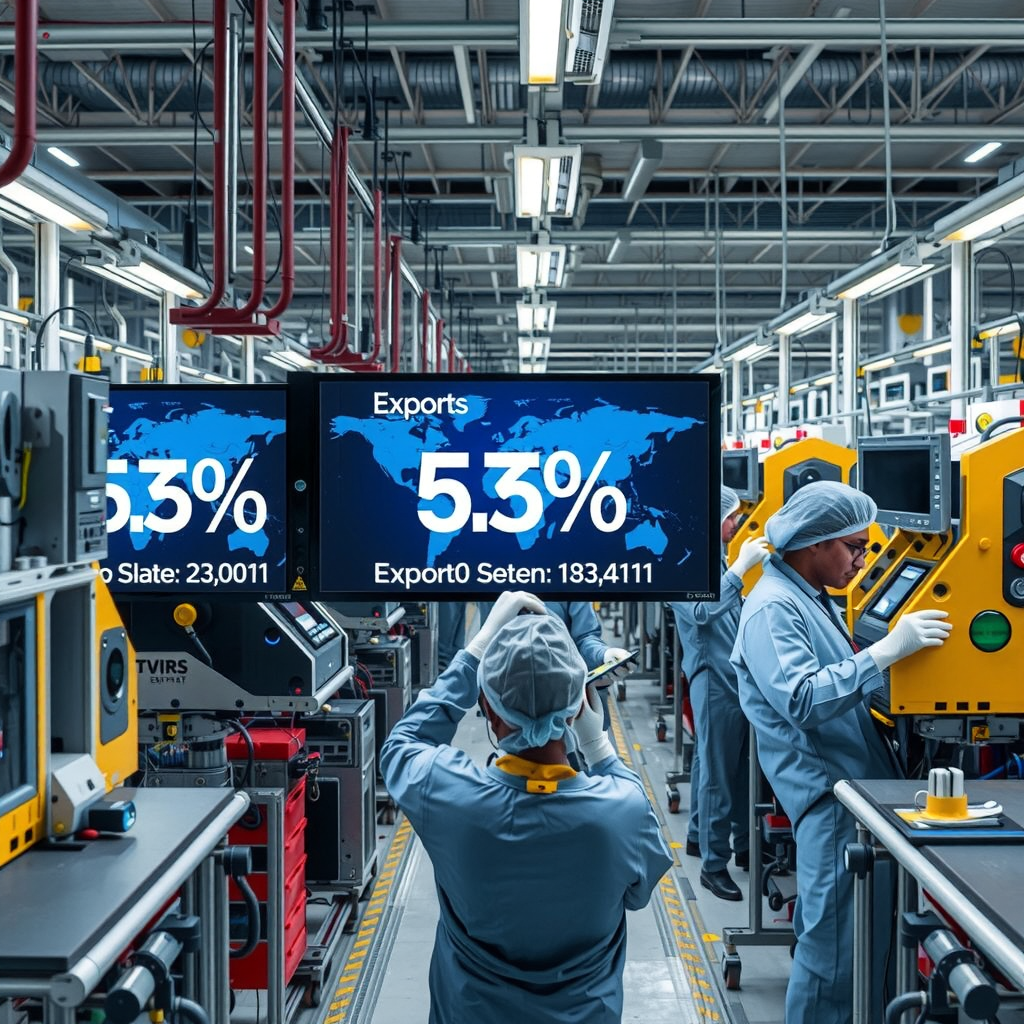
A Bold Step Towards Global Electronics Hub Status
India is poised to significantly escalate its ambitions in the global electronics manufacturing landscape with the impending rollout of the Production-Linked Incentive (PLI) 2.0 scheme for mobile phone manufacturing. Expected to be introduced by May 2026, this new iteration represents a substantial financial commitment exceeding USD 5 billion, equivalent to approximately ₹46,000 crore. The initiative underscores the government's strategic intent to not only double mobile phone exports but also foster deeper domestic value creation, thereby cementing India's position as a formidable global manufacturing hub.
Building on the Foundations of Success
The Mobile PLI 2.0 scheme is designed to build upon the commendable success of its predecessor, the Scheme for Large Scale Electronics Manufacturing (LSEM), which concluded its operational phase in March 2026. The initial scheme, with an approved outlay of ₹40,995 crore, proved instrumental in galvanizing domestic production and attracting global players. Under its aegis, India witnessed a remarkable surge in smartphone exports, which reached an impressive ₹2.62 lakh crore (approximately $28 billion) in 2025. Cumulatively, exports under the initial framework surpassed ₹6.2 lakh crore by February 2026, exceeding the initial target by around 27 percent.
This success story, notably driven by major global brands like Apple scaling up production and exports from India, has provided a robust blueprint for the next phase. The transition to PLI 2.0 signals a nuanced strategic shift. While the previous scheme primarily incentivised output, the new programme is expected to pivot towards fostering greater domestic value addition. This means encouraging manufacturers to integrate more local components and processes into their supply chains, moving beyond mere assembly to comprehensive manufacturing.
Unpacking the Strategic Objectives and Market Implications
The core objectives of PLI 2.0 are multifaceted. Beyond doubling mobile phone exports, the scheme aims for India to capture a significant share of 30-35% of global mobile production by FY31. This aggressive target is expected to unlock substantial investment, propel technological advancements, and create a multitude of job opportunities across the electronics manufacturing ecosystem.
For electronics manufacturing services (EMS) providers, the announcement holds particular significance. Companies like Dixon Technologies, which derive over 80% of their revenue from mobile and EMS divisions, are poised to be primary beneficiaries. The continuation of these incentives is vital for sustaining their growth trajectory and competitive edge in a rapidly evolving market. The scheme's focus on increased value addition will likely spur investments in research and development, component manufacturing, and advanced production techniques, fostering a more self-reliant and resilient supply chain within India.
Moreover, the policy is expected to deepen India's integration into global electronics supply chains, enhancing the country's appeal as a reliable and cost-effective manufacturing destination. This is not merely about production numbers; it's about embedding India firmly into the intricate global network of technology development and manufacturing.
Addressing Challenges and Seizing Opportunities
While the prospects are bright, the path forward is not without its challenges. The electronics manufacturing sector, globally, faces margin risks stemming from factors such as rising component costs and intense competitive pressures. For instance, rising DRAM prices in early 2026 led to a significant increase in component costs, posing potential hurdles. The success of PLI 2.0 will, therefore, hinge on effective execution and astute cost management by both policymakers and industry players.
Furthermore, while the previous PLI scheme was successful in boosting exports, employment generation lagged slightly behind initial projections, creating around 1.85 lakh jobs against a target of 2 lakh. The revised scheme is anticipated to address such gaps, with a renewed focus on holistic job creation throughout the value chain, from high-skilled engineering roles to semi-skilled assembly positions.
Investor Outlook: A Sector Primed for Growth
For investors, PLI 2.0 presents a compelling narrative of growth and opportunity. The government's consistent policy support, coupled with India's burgeoning domestic market and competitive manufacturing advantages, creates a fertile ground for investment. Companies with strong capabilities in mobile phone manufacturing, electronics components, and those actively engaged in research and development for value-added processes stand to benefit significantly.
The renewed emphasis on 'Make in India' for global markets is a powerful signal. As India continues its journey towards becoming a global manufacturing powerhouse, particularly in high-growth sectors like electronics, strategic investments aligned with these policy tailwinds are likely to yield substantial returns. The next few years will be crucial in observing how effectively PLI 2.0 translates its ambitious targets into tangible economic growth and robust export performance.
Balaji K


Comments
Post a Comment